
 , Sharp User Team


An interview on the history, craftsmanship, and design of knives built to meet the demands of the field.
Interviewer: Dane Bender (DB)
THE ORIGINS OF A CALLING
DB: What first drew you to the art of knife making, and how did you get started in this field?
Daniel Winkler: When I was in high school, I started shooting black powder rifles. That made me want to acquire other period-appropriate gear to go with my gun.
I started making shooting bags, powder horns, boots, clothing, as well as knives and tomahawks.
Competing in black powder shooting competitions allowed me to showcase my creations to other enthusiasts, who asked me to make custom gear for them. That’s how my career in knife making began.
DB: How have time and experience shaped your approach to knife making? Are there things you’d do differently today compared to when you first started?
Daniel Winkler: I’ve been making knives for 50 years. The first 13 years were part-time, and then, in 1988, Karen and I began dedicating ourselves full-time to making custom knives.
Our methods have evolved over the years and continue to improve. There are always inevitable mistakes when learning through trial and error.
It’s been a great journey, and I wouldn’t change a thing—except perhaps to have understood how steel and the equipment work a little sooner.
DB: You’ve participated in numerous cutting competitions. What key lessons have you learned from them, and how have they influenced your work?
Daniel Winkler: Participating in knife-making competitions has significantly improved my ability to craft high-performance knives.
Not only do you need good cutting skills, but if your knife isn’t well-designed or is poorly made, you risk failing in competitions.
These experiences really pushed me to create knives capable of meeting the needs of Level 1 military operators.
DB: What moment in your career are you most proud of?
Daniel Winkler: I’m proud to have crafted knives worthy of the world’s best military professionals.
DB: Have there been any experiences that directly inspired a particular knife model? Can you share a story about that?
Daniel Winkler: I’ve collaborated directly with military professionals to develop tools that meet their needs.
Many of Winkler Knives’ products stem from these collaborations, such as the Belt Knife, the Drop Point Crusher, and the RnD hawks.
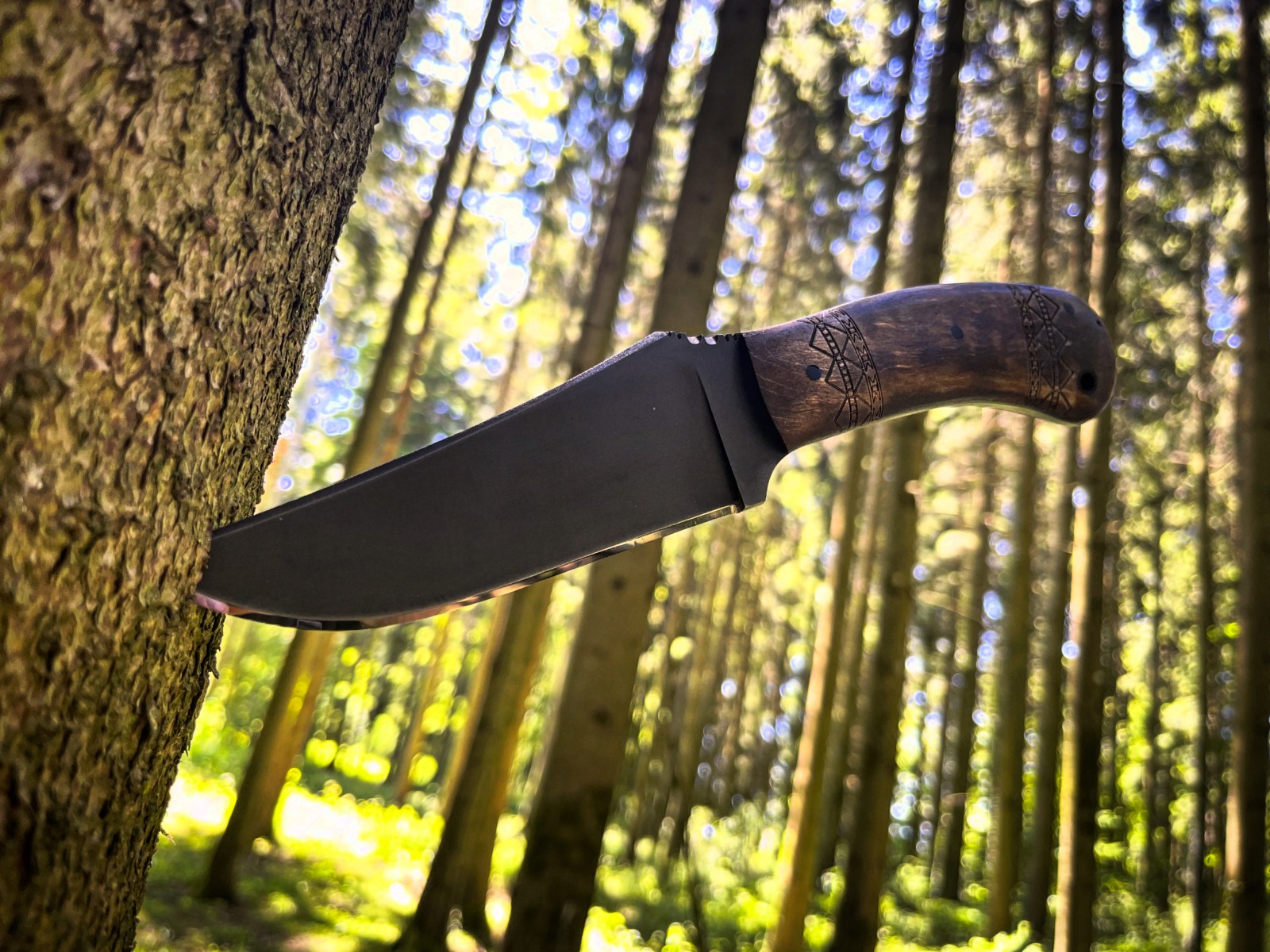
DB: Is there a significant story or experience that has deeply influenced one of your designs?
Daniel Winkler: My passion for the outdoors has always been with me.
My experiences in nature and my interest in the history of people in survival situations—who depend on essential tools—have motivated me to create functional tools.
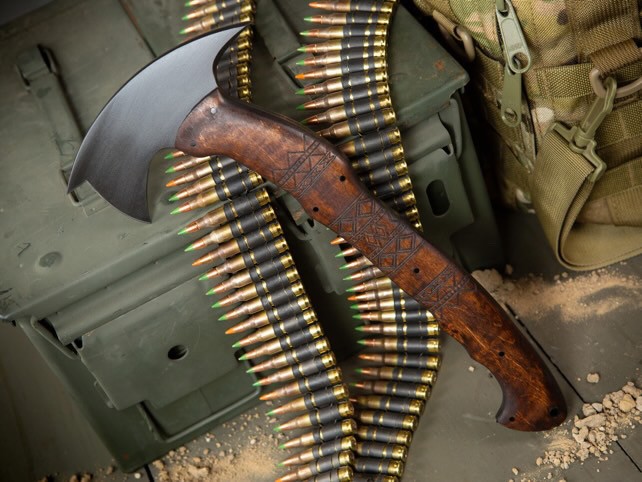
The RnD Hawk, for example, is a combat weapon I designed with Sayoc Global’s chief tomahawk and knife instructor.
This tool was specifically designed for practical use and has been used by many operators in the field. We collaborated on its development to meet the needs of the U.S. Navy Special Forces community.
DB: If you had to choose one knife you’ve created to represent your personal journey, which one would it be and why?
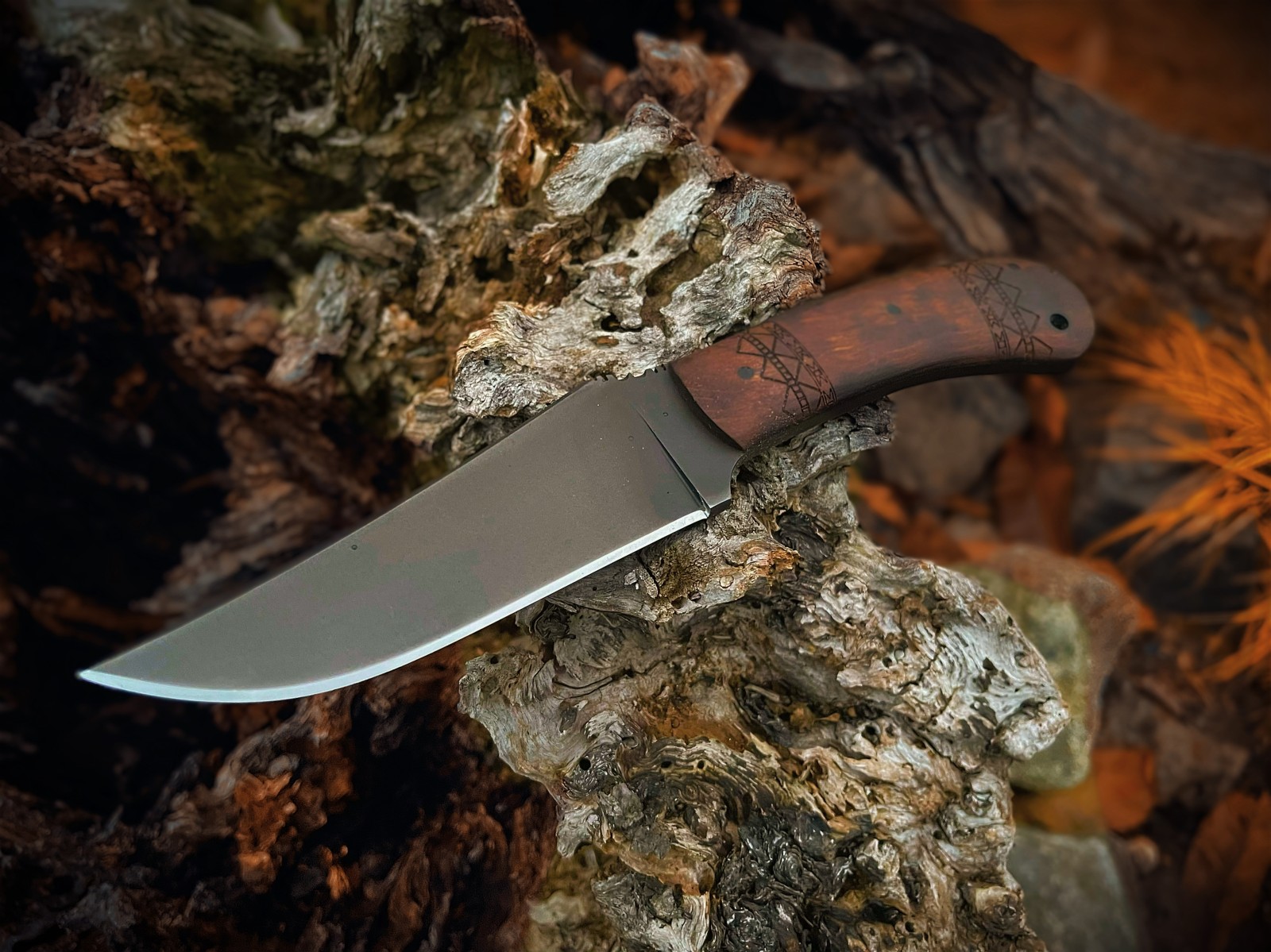
Daniel Winkler : I’d choose the Belt Knife, which was our first publicly released design and was developed from another model we’d created for the U.S. Navy.
DB: As a craftsman, what are the most important life lessons you’ve learned from working with metal and crafting your knives?
Daniel Winkler: It’s crucial to never stop learning and to prioritize performance first, then the aesthetics of the design.
If you can excel in both design and execution, you’ll achieve a smooth, cohesive design.
Focus on the main objective without adding too many secondary features. A knife marketed as a “multifunctional” tool may end up excelling at nothing.
DB: How has your customer base evolved over the years?
Daniel Winkler: Initially, we sold to black powder shooting enthusiasts. Then we expanded our customer base to include outdoor enthusiasts looking for better cutlery. We’ve also gained acceptance among knife collectors.
Today, we supply professional users in the military, law enforcement, and first-response sectors.
Fortunately, what we make for these professionals still appeals to knife enthusiasts and collectors, so we’ve only lost a portion of the black powder market.
DB: What advice would you give to someone looking to invest in their first high-quality knife, particularly regarding selection and maintenance?
Daniel Winkler: Do your research on the manufacturer. Don’t let yourself be swayed solely by the type of steel or current trends.
Look for a design that you can and will want to carry, not one that will end up on a shelf when you head outdoors.
DB: If you could invite three historical or contemporary figures to spend a day with you in your workshop, who would you choose, and what questions would you like to ask them?
Daniel Winkler:
George Washington: Is this what you and your friends envisioned when you founded this country?
Donald Trump: How can I help you steer this country in the right direction?
Jesus Christ: Can you show me how to live according to the values you’d like me to represent?
---------
Today, his work reflects the same commitment: to create pieces that combine functionality, technical excellence, and historical heritage.
A philosophy that perfectly encapsulates Daniel Winkler’s vision: to design tools on which people can literally stake their lives.
Dane Bender